
Explore our complete collection of cinematic AI prompts optimized for ChatGPT image generation. This category focuses on dramatic lighting, film-inspired color grading, shadow depth control, and professional cinematic composition.
Cinematic realistic AI prompts focus on creating images that resemble still frames from movies. These prompts emphasize dramatic lighting, contrast, camera angles, and atmosphere to produce visually striking and emotionally engaging scenes.
Cinematic portraits emphasize mood, atmosphere, and storytelling. Whether you need bold high contrast lighting, subtle low-key shadows, moody headshots, or professional film-style color grading, these prompts are structured to deliver immersive and high-impact results.
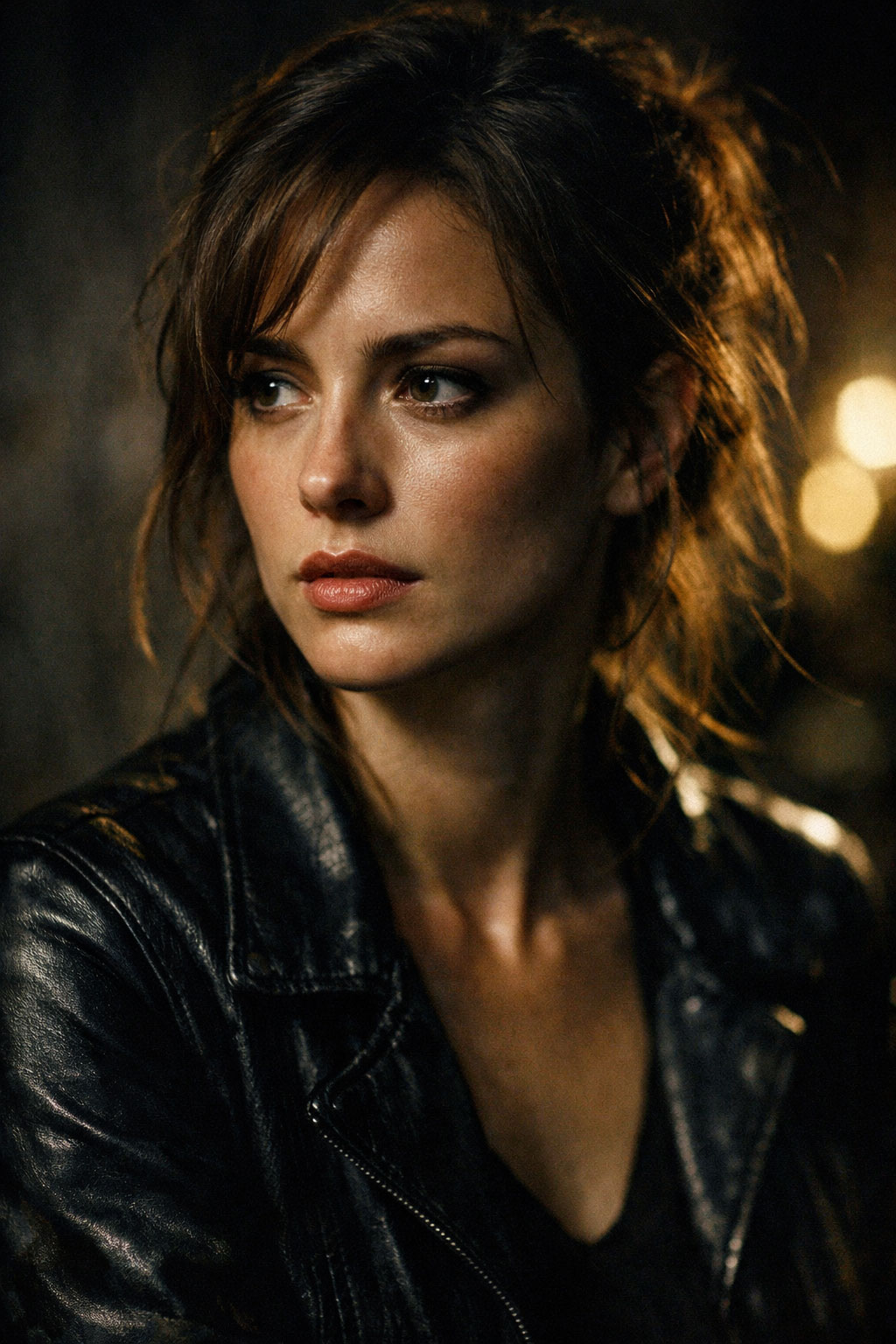
Cinematic Portrait AI Prompt
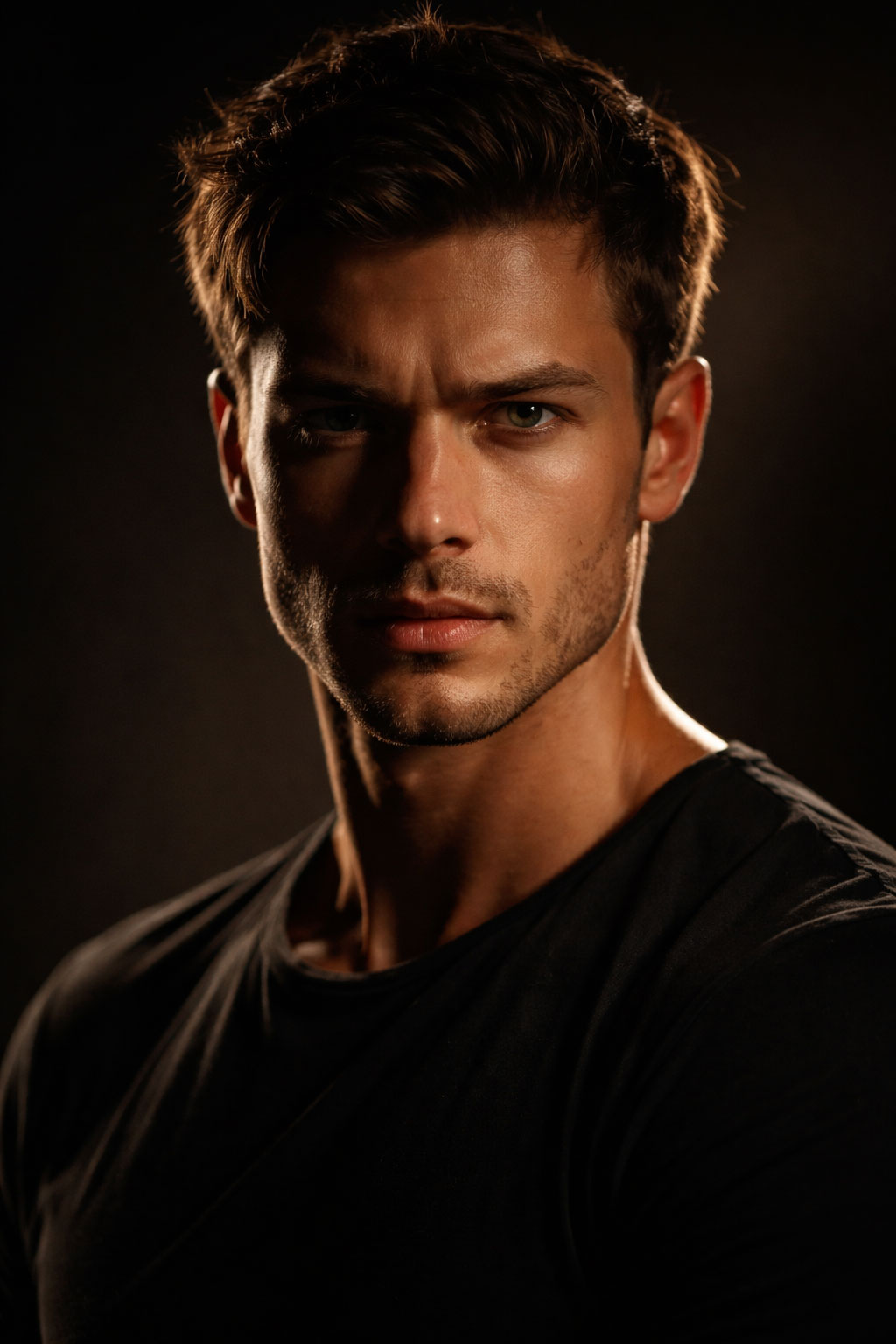
Dramatic Lighting Portrait AI Prompt
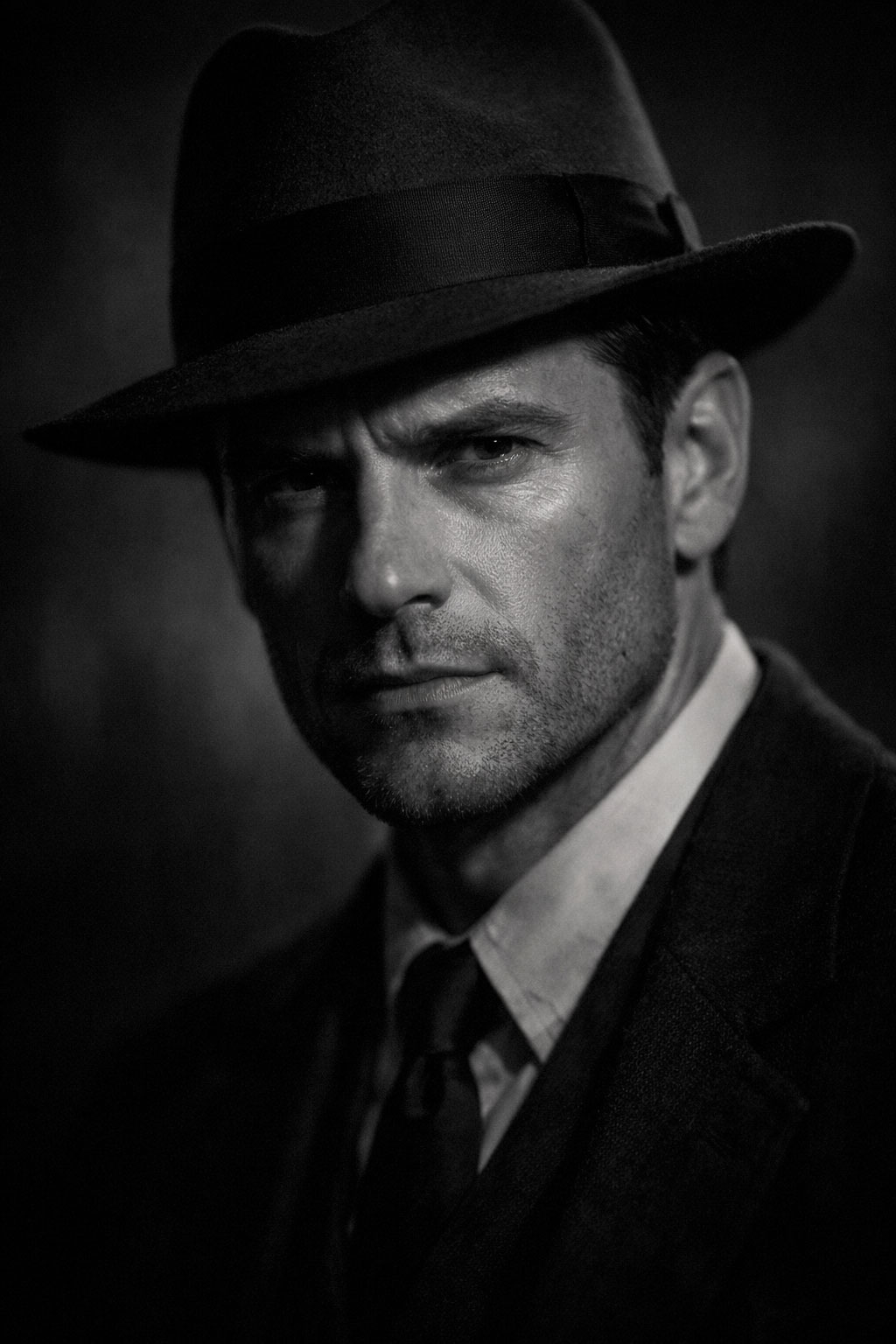
Moody Cinematic Headshot AI Prompt
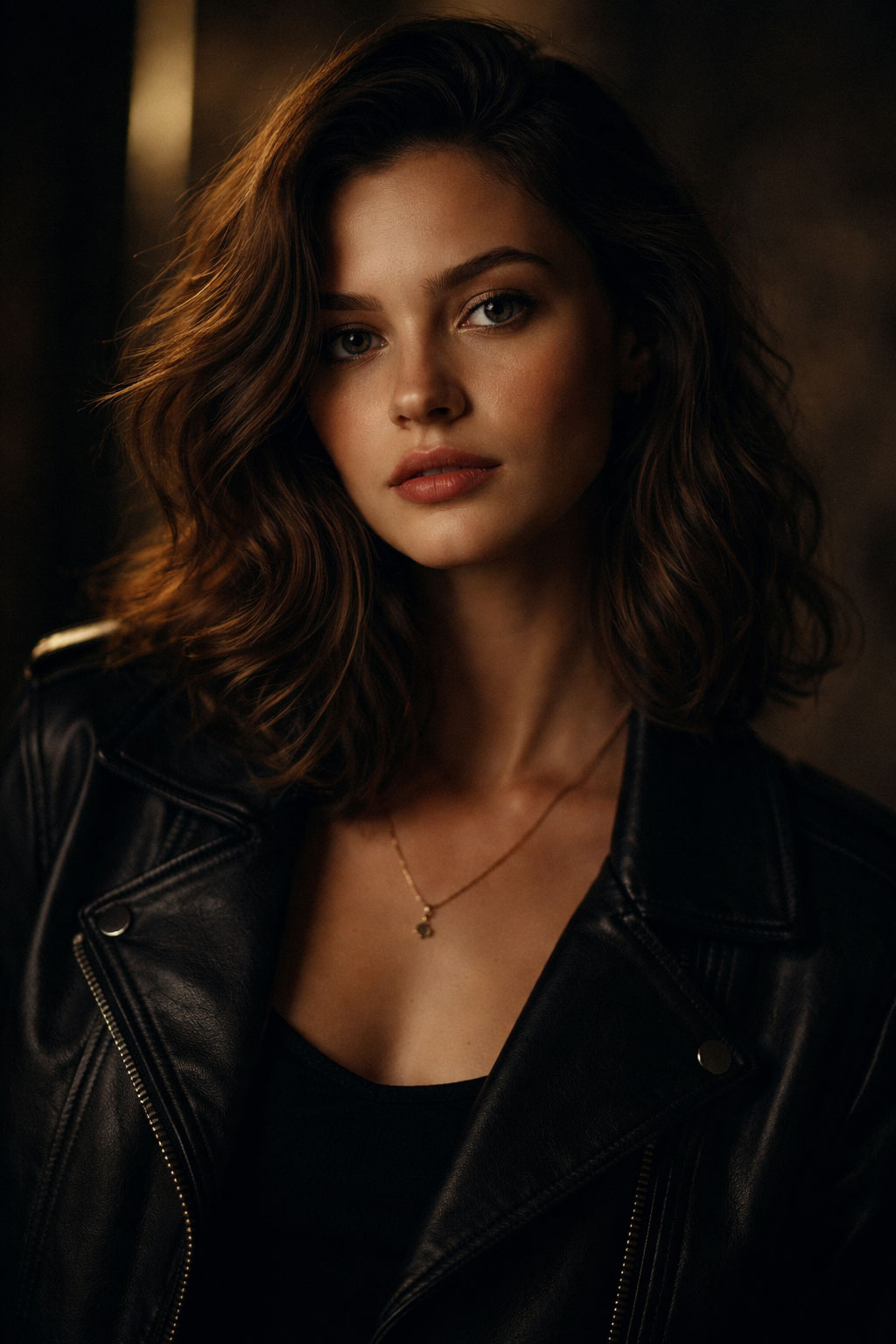
Film Style Portrait AI Prompt
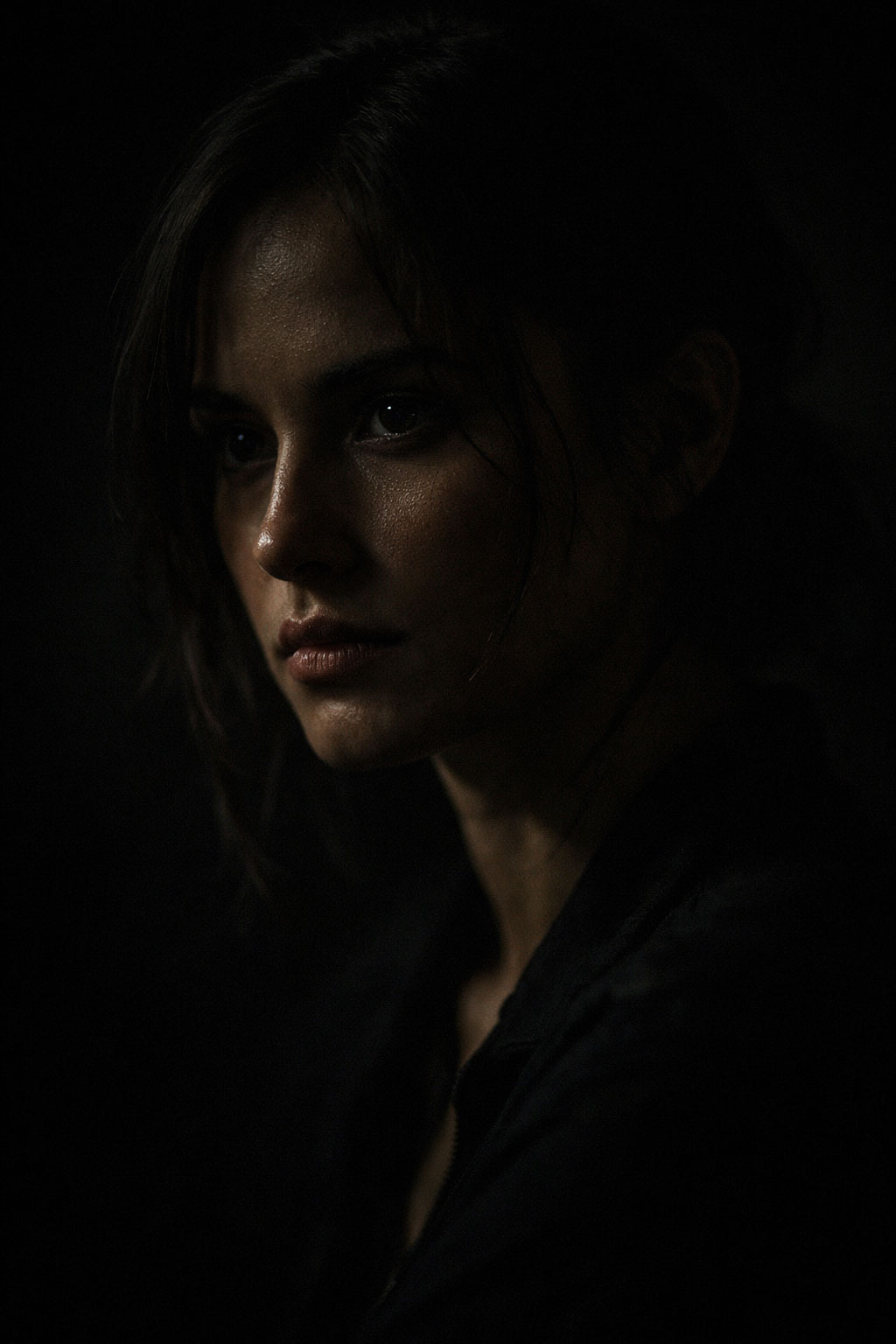
Low Key Cinematic Portrait AI Prompt
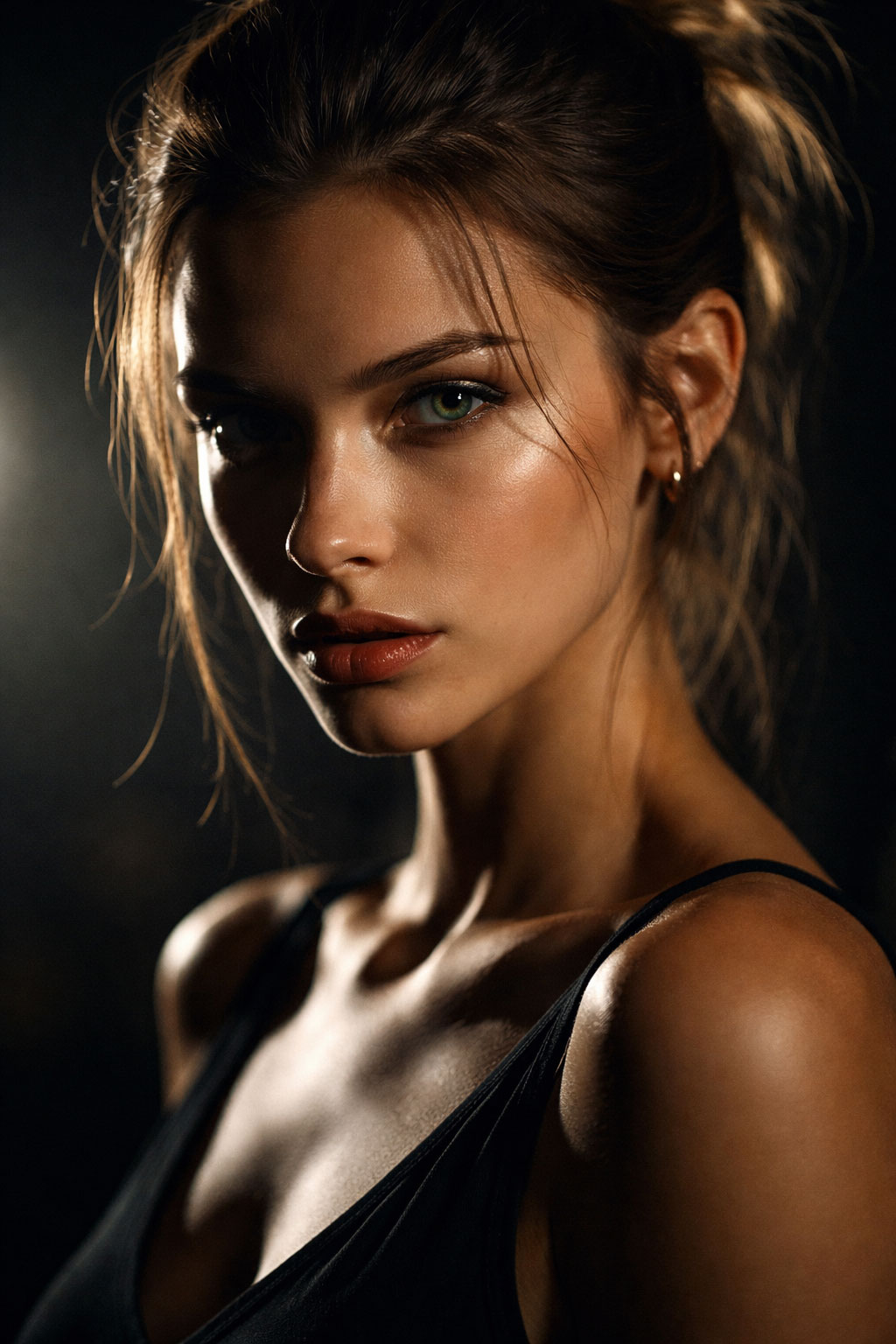
High Contrast Cinematic Portrait AI Prompt
Why Use Cinematic AI Prompts?
Cinematic AI prompts focus on lighting control, shadow depth, color grading, and emotional tone. Compared to standard portrait prompts, cinematic styles create immersive storytelling visuals suitable for branding campaigns, creative portfolios, and marketing materials.
This hub page connects all cinematic variations including dramatic lighting, moody headshots, low key portraits, and high contrast styles into a unified internal linking structure that strengthens topical authority for realistic cinematic AI image generation.
Frequently Asked Questions
Cinematic realistic AI image prompts are designed to generate images that resemble movie stills by emphasizing dramatic lighting, camera angles, depth, and atmosphere.
Cinematic images typically include controlled lighting, strong contrast, intentional composition, and a sense of mood similar to film scenes.
Keywords such as cinematic lighting, shallow depth of field, wide angle lens, film grain, and dramatic shadows help achieve a cinematic look.
Yes, cinematic prompts are often used for visual storytelling, concept art, storyboards, and mood references for films or games.
Cinematic prompts can be applied to both portraits and environments by adjusting composition and lighting descriptions accordingly.
Mood can be controlled by specifying lighting conditions, color tones, weather, time of day, and emotional context in the prompt.
Yes, beginners can start with simple cinematic keywords and gradually add detail as they learn how each element affects the image.
The prompts are free to reuse, but commercial usage of generated images depends on the licensing terms of the AI platform used.
Balancing dramatic lighting with sufficient exposure and avoiding excessive shadow-related keywords helps maintain image clarity.
Higher resolution settings enhance cinematic detail, but well-written prompts can still produce strong results at standard resolutions.